Course description
The course investigates the regularities of the communication. Starting from the rules of direct human communication, the course examines what happens to communication agents when they use communication tools to expand their communication opportunities.
Information
Information is first concept which necessary in understanding the phenomenon of communication.
The concept of information
 Living organisms are capable of changing their location and position. The effects of the outside world can have positive, negative, or neutral consequences for living beings. These effects can be measured in different dimensions, and the actual values can always range between the extreme values of the measurement range. The extent of changes in certain dimensions can be critical for the survival of living beings. If any of the external influences result in values beyond the critical range, the organism will attempt to take actions that will bring the external influences back within the critical range.
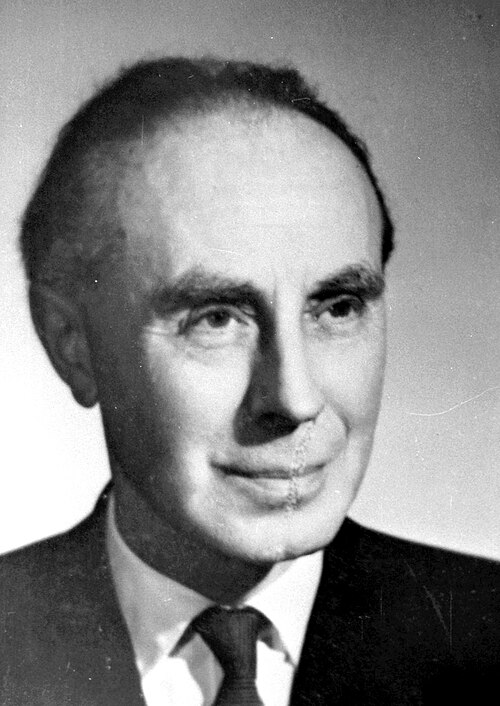
According to the theory developed by Lajos Kardos (1899-1985), information is a neutral, indifferent (technical term: adiaphor) effect from the outside world on the organism, which remains within the critical range of effect (i.e., there is no chance that the organism will leave the critical range in the given dimension of effect). However, this weak, ultra-irrelevant effect can be beneficial if it prompts the organism to take action that results in positive changes in the relationship between the external environment and the organism or prevents negative changes from occurring. Perceiving such effects and responding to them with appropriate action can be beneficial to the organism.
The organism needs food, which it can obtain from its environment. Since food is located elsewhere in space relative to the organism, movement is necessary to find it. How is the organism able to find food in its environment? The first solution, often used in nature, is random movement, which is not necessarily effective. From this point of view, the ability to guide an animal's movement toward food based on weak adiaphoristic influences from the outside world may be evolutionarily advantageous.
In order to accurately interpret information as an adiaphoristic environmental influence, a few more questions need to be answered. The fact that a living being is able to perceive and then receive information is not a sufficient explanation for the importance of information and its role in the life of a living being. The second essential aspect of this phenomenon is that the perception of information can be linked to some kind of "meaning" which, in the first instance, shapes the creature's orientation towards some external stimulus, resulting in it performing some kind of action. We are constantly exposed to visual stimuli; throughout our lives, we perceive the same world, rich in stimuli, and in this sense, we are constantly exposed to the same amount of stimuli at every moment. Therefore, an important question to be answered is which of the adiaphoristic stimuli that constantly flood us from all directions do we actively respond to and which do we not.
Living beings are able to perceive such adiaphoristic effects through their senses. In the physical environment, humans are able to perceive changes in the light conditions in space, vibrations in the air, changes in pressure, chemical reactions, and the pressure exerted on each other by masses of bodies. The sensory abilities developed to perceive and detect these changes are sight (light scattering), hearing (air vibrations), smell and taste (chemical changes), and touch (physical mass effects).
The adiaphoristic effect perceived through a given sensory channel is continuous for living beings: light effects reaching our eyes constantly affect us, but they do not always elicit a response in living beings. A rabbit constantly receives light information scattered from the bushes in front of it without this effect prompting any action. However, if a fox pokes its head out of the bushes, the rabbit may start to run when it senses this. Living beings therefore only react to the adiaphor effect if, as a result of some mechanism, they assess it as relevant to them.
While running, the dog constantly sniffs the ground, house walls, and tree trunks for scent information, and if it picks up an "interesting" scent, it stops and steadfastly collects all the scents at that point. During this site inspection, no more information can be gathered from the environment, as the location remains unchanged in terms of scent (let's ignore the fact that the dog brings its own scent into the space, leaving a trail for other scent-gathering creatures). Persistent sniffing is necessary in order to evaluate the scent information present.
The dog continuously sniffs odor information that can be detected on the ground, on house walls, and at the base of trees while walking, and if it catches an "interesting" odor, it stops and unwaveringly collects all odors at that point. During this site inspection, no more information can be collected from the environment, since the given location remains unchanged from an odor perspective (for now, let's ignore the fact that the dog, of course, brings its own odor into the given space and thus leaves a trace for later odor-collecting organisms). Persistent sniffing is more necessary for the evaluation of the present odor information.
Light information "surrounds" us throughout our lives, typically as an adiaphoric effect, but sometimes it can become biologically dangerous in strength: for example, when a strong light effect is generated during welding. For the same reason, we do not look at the Sun, because then the light effect is no longer adiaphoric.
The same can be said about sounds as about light: they are constantly around us – predominantly adiaphoric. It is rare that the sound effects we experience are stronger than usual, and in such cases we may even suffer hearing damage (with sound cannons or even more serious physical injury), but these cases are worth treating here as rare exceptions.
Information typology by sense organs
The first and most important classification of information can be based on the senses. Based on these, we can name the different sensory processes, the senses that enable the reception of stimuli, and the states of perception experienced during the sensory process. The latter will be the most basic types of information. The figure below shows the categories that arose during the first classification. We provide both technical and everyday terms for sensory information. There are other terms for each concept, with partially or completely identical meanings. The choice between competing terms is partly arbitrary; we do not consider it necessary to justify this here, and we may use synonyms at times in the future. Instead of auditory, the terms acoustic, vocal, and verbal are also used; instead of gustatory, the term taste is used; and instead of tactile, the terms haptic or touch are used.
sight
szem

visual information
kép
hearing
fül
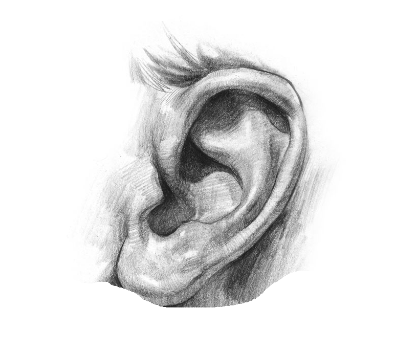
auditive information
hang
taste
nyelv
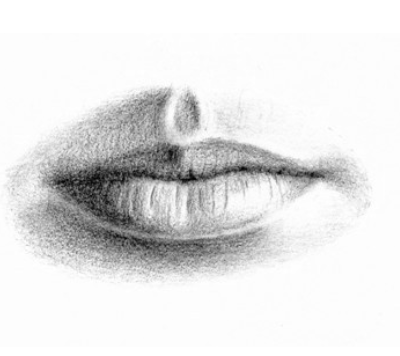
gustatory information
íz
smell
orr
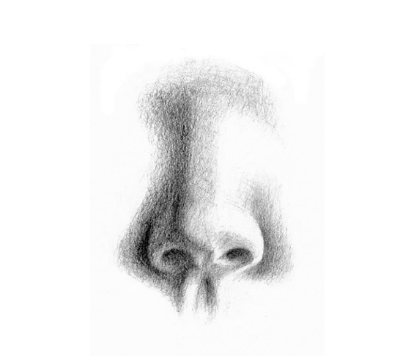
olfactory information
szag
touch
kéz
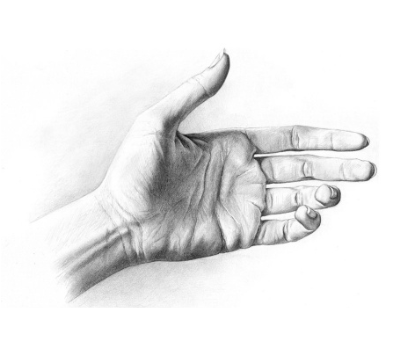
tactile information
érintés
These sensory organs did not develop (and remain) by chance during evolution; each of them is important for sustaining life. Later, we will return to the question of what characteristics these types of information have and what advantages and disadvantages they entail. However, it should be emphasized here that the benefit of information perception stems from the fact that perception carries some kind of "meaning" for the perceiving organism, which, in certain cases, can prompt the organism to take action that results in benefits or prevents disadvantages. If a rabbit visually perceives a wolf running towards it, the meaning of this for the rabbit is that its life is in danger and it is advisable to start running immediately. We will later refer to this type of interpretation (interpretive use) of perceived information as natural meaning. For meaning, or in other words, for the usefulness of information processing, some kind of relevance management mechanism is needed that is capable of distinguishing essential information from irrelevant information in the stream of information—adiaphora—received through the sensory channels.
Subtypes of information types
tárgy
természetesen adott vagy ember által létrehozott
visual information
- természeti tárgyak
- emberi tárgyak
auditive information
- természeti zörejek
- ember zörejek
gustatory information
- természeti ízek
- emberi ízek
olfactory information
- természeti szagok
- emberi szagok (divat-, háztartásipar)
tactile information
- természeti tárgyak
- emberi tárgyak
kommunikációs célú dokumentum
- állókép (1D, 2D, 3D)
- mozgókép (2D + t)
- film hangsávja
fehérzaj
nincs
nincs
nincs
nyelvi dokumentum
- írás (beszédírás)
- adatbázis (táblaírás)
- kotta (zeneírás)
- beszéd
- zene
nincs
nincs
- Braille-írás (3D)
Convert of information types
MacKay's information typology
References:
- Kardos Lajos (1976). A neuropszichikus információ eredete. Akadémiai Kiadó
- Donald M. MacKay ().
- Thomas Dixon (2012). “Emotion”: The History of a Keyword in Crisis. Emotion Review, 4(4):338–344
Language-based communication
Language
_-_Google_Art_Project_-_edited.jpg) speech is linguistic information based on
grammar (code) and vocabulary (set of linguistic unit - meaning holder)
based on convention
speech is linguistic information based on
grammar (code) and vocabulary (set of linguistic unit - meaning holder)
based on convention
Saussure's theory of language
Two ways of knowledge representation
narrative vs. paradigmatic knowledge
Wittgenstein's language theory
Text
Database
Two logics of knowledge representation
Non-verbal communication
Social distance
A térközszabályozás vagy másként a szociális távolságtartás
intim zóna
0 m - 0.5 m
személyes zóna
0.5m - 1 m
társas zóna
1 m - 4 m
nyilvános zóna
4 m -
Kinesthetic factors: This category deals with how closely the participants are to touching, from being completely outside of body-contact distance to being in physical contact, which parts of the body are in contact, and body part positioning.
Haptic code: This behavioral category concerns how participants are touching one another, such as caressing, holding, feeling, prolonged holding, spot touching, pressing against, accidental brushing, or not touching at all.
Visual code: This category denotes the amount of eye contact between participants. Four sub-categories are defined, ranging from eye-to-eye contact to no eye contact at all.
Thermal code: This category denotes the amount of body heat that each participant perceives from another. Four sub-categories are defined: conducted heat detected, radiant heat detected, heat probably detected, and no detection of heat.
Olfactory code: This category deals in the kind and degree of odor detected by each participant from the other.
Voice loudness:
Edward T. Hall
Non-verbal layers of language
Communication
Etimology of communication
Information sending as action
Communication structure
Structure of single communication
Number of agents in communication
Direction of communication
Addressing of communication
Syncronity of communication
Structure of repeated communication
Communication situations
Presence communication
Communication extended in space: telecommunication
 |  | |
 | |
Communication extended in time: media communication
| | |
| |
Simple media communication
Character of communication service
Summary
References:
Direct human communication
theories
theories
Austin's theory of speech act
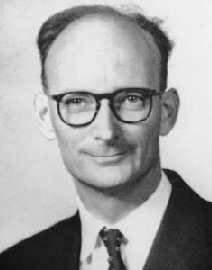 John Langshaw Austin (1911-1960)
speech act performative illocution illocution force content and intention, method, way jelentés
Grice
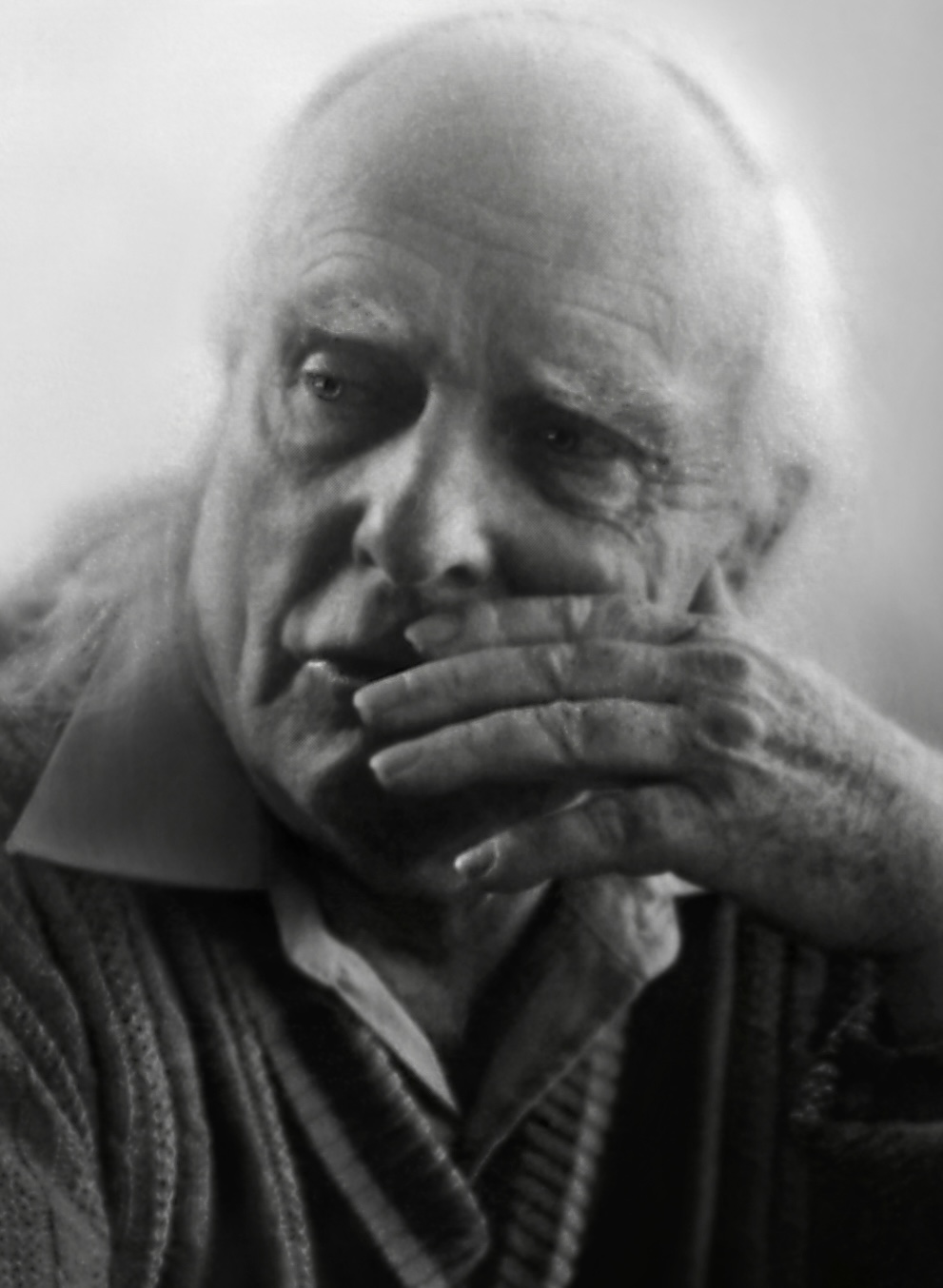 Herbert Paul Grice (1913-1988)
Searle
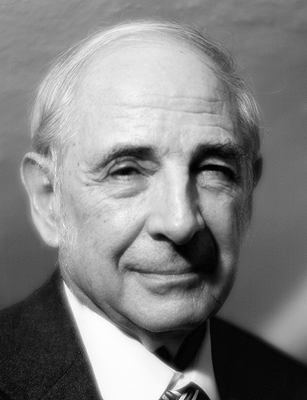 John Searle (1832-2025)
Habermas's theory of communicative action
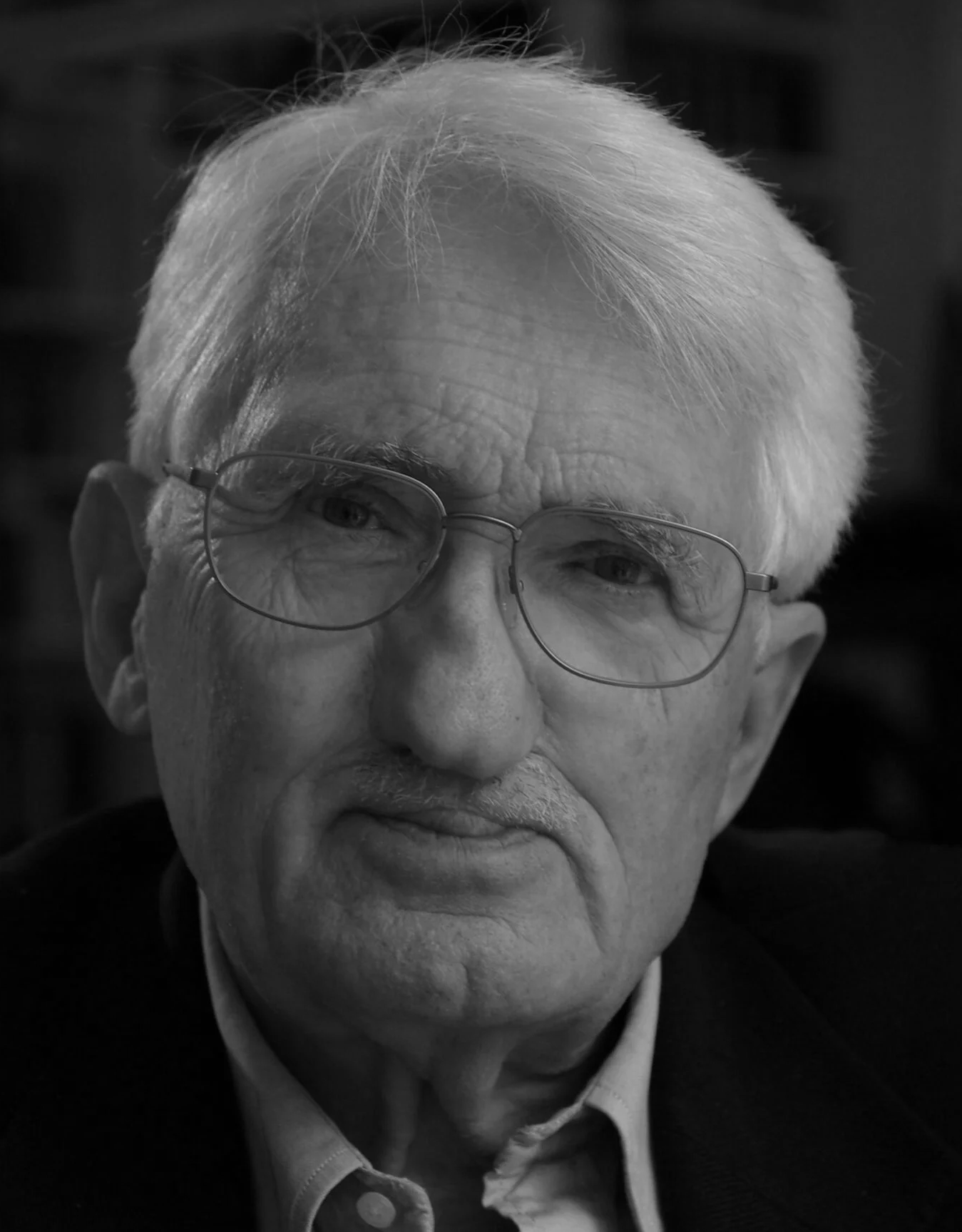 Jürgen Habermas (1929-)
Direct or indirect communication
literally or figuretively
Theory of relevance
Gestalt
Gestalt...
Proximity
proximity
Similarity
similarity
References:
- Jary, Mark (2007). Are Explicit Performatives Assertions? In: Linguistics and Philosophy, 30(2): 207-234.
- jelentés: [Grice 2011]
- érvényesség: [Habermas 2011]
Simple media communication
tetoválás
egyterű, többidejű kommunikáció
Irodalom:
References:
Simple media communication
tetoválás
egyterű, többidejű kommunikáció
Irodalom:
References:
Photo
A villamosság (elektromosság) kultúrtörténete. A képrögzítés és képmegjelenítés előzményei...
References:
[Ivins 2001], camera obscura és lineáris perspektíva: [Kittler 2005:41-67],
laterna magica: [Kittler 2005:68-89],
fotográfia: [Kittler 2005:123-153],
film: [Kittler 2005:154.225], [Barbier & Lavenir 2004]
Telecommunication
Valós idejű távközlés, a globális kommunikáció kezdete (telegráf, telefon, telex, telefax, képtelefon, mobiltelefon)... A műsorszám privatizálása: a videó.
References:
film: [Kittler 2005:154.225], [Barbier & Lavenir 2004], televízió: [Kittler 2005:226-244]
Writing
Írásbeliség, nyomtatás (írásbeliség, ábécé, írás, írógép, nyomtatás, képnyomtatás, sajtó, printer, tetoválás/testírás). Dokumentum és média.
References:
dokumentum: [Syi 2007:103-121]
Computer
számítógépeskommunikáció A digitális kommunikáció alapfogalmai, memóriaintézmények, archívumok... Navigáció, relevancia, kereséstipológia.
References:
számítógép: [Kittler 2005:245-252],
hipertext: [Syi 2007:50-61],
mi a média: [Syi 2007:249-263],
multimédia, interaktív média: [Kangyal-Laufer 2011: 48-60]
Network
Hálózat, megosztás, platform, web, copyright és Creative Commons. A megosztás gazdaságtana és joga Tömegmédia és sokszorosítási technológiák... közösségi hálózatok, szociális szoftverek, a konvergencia szintjei.
References:
creative commons: [Lessig 2005], [Syi 2007:265-283],
megosztás, kollaboráció: [Benkler 2006], [Bodó - Szakadát 2007], [Bodó 2011], [Csigó 2009]
Collective intelligence
Kollektív intelligencia, web2.0, Peer production... gépi intelligencia, nyelvtechnológia, ontológia.
References:
megosztás gazdaságtana: [Benkler 2006],
mi, a média: [Syi 2007:265-283],
konvergens tv: [Csigó 2011]
Human-Computer-Interaction
Az ember-gép interakció, az interfész kultúra kérdései... tudásszervezési rendszer, taxonómia, tezaurusz, folkszonómia, ontológia, címkézés.
References:
információelérés: [Syi 2007:273-303],
interfész: [Kangyal-Laufer 2011:29-195],
navigáció: [Kangyal-Laufer 2011:196-294], tudásszervezési rendszer: [Syi 2007:123-142]
Radio
rádiótelegráf, rádió közszolgálati és kereskedelmi rádiózás
References:
digitális lábnyomok: [Golder & Macy 2014]
Film
Film, mozgókép, mozi történetmesélés, illúziótechnikák, fényképezőgép, filmkamera, mozi.
References:
adatbázis: [Syi 2007:59-101], How much info, [How 2003], [How 2009]
Information measurement
How much information, deep web, big data Adatbázisok, információs túltermelés, mérési, elemzési lehetőségek... A hálózati média által teremtett új lehetőségek: hálózatelemzés, big data.
References:
[Bourdieu 2008],
hatalmi szempontok: [Kittler 2005],
kontroll: [Beniger 2005],
nyilvánosság: [Habermas 1995]
Communication and power
A média és a hatalmi alrendszerek összefonódása, kölcsönhatása (Kittler)... Média, nyilvánosság, tömegkommunikáció, propaganda, sajtó, politika (Habermas)
References:
[Bourdieu 2008],
hatalmi szempontok: [Kittler 2005],
kontroll: [Beniger 2005],
nyilvánosság: [Habermas 1995]
Electricity
A villamosság (elektromosság) kultúrtörténete.
References:
Television
References:
Sound recording
A rögzített hang, hangkeltés, hangerősítés, hanglejátszás, mikrofon, fonográf, lemezjátszó, CD, magnó.
References:
Knowledge
Knowing by acquiantance vs. knowing by description
Know-what vs. know-how
Affordance
action possibilities provided by technology
Common knowledge, mutual knowledge, collective knowledge
References:
Archive
Structure and functions of archive
Information retrieval - metadata
References:
Machine intelligence
web3, internet of things, ontológiák, LLM, generatív MI.
A párpeszédtől a gépbeszédig: a tudásszerzés folyamatának történeti vázlata
jelenlétkommunikáció - párbeszéd
a téridő-elhelyezkedés kényszerei, irányultság, számossági mintázat, nyelv (talán a legfontosabb tényező), nyelv és kontextus, interakció (cselekvéselmélet), párbeszéd: kérdés-válasz interakció, 1:1 vagy 1:n-es mintázat
médiakommunikáció
Az idő- és térbeli kényszerek felszámolása (az idő, illetve tér áthidalása), médiumra rögzítés, megmarad a médium térbeli kényszere, média (többezer év) és médiaipar (500 év) megkülönböztetése
talán a második legfontosabb tényező: tudomány, ipar, civilizáció, archívum, keresés metaadatban, Engelbart-idézet: tudni hol, válasz helyett válaszhely, nagyon korlátozott értelmű interakció, befogadói passzivitás, a tömegkommunikáció kora: 1:N-es mintázat
számítógépes kommunikáció
keresés a tartalomban, interakció: interaktív média, felhasználói aktivitás, N:M-es mintázat: felhasználói tartalom
hálózati kommunikáció
web, korlátlan világarchívum: téridő korlát megszűnése a hordozóra, egyre növekvő adattartam és adatforgalom, how much info projekt, multimédia, közösségi média
a szemantikus web projekt (kudarca)
miért lett hatalmas bukta? - ellenpontozás: a Google szemantikus keresőmotorjának eredményei
a webes keresés és relevanciaképzés
dokumentum "túltermelés" a Google sikere: relevanciakezelés új módja
a webes keresés gyengeségei
válaszhelyeket ad, nem válaszokat
a kérdés-válasz (Q&A) rendszerek kudarca
miért lett bukta?
különutas sikersztori: az adatbázis
mi az adatbázis? Ferdinand de Saussure nyelvelmélete, történeti és elméleti értelmezés, dialóguslogika, az adatbázisok előnyei, nehézségei
a nagy nyelvi modellek berobbanása
a fordulat "oka: 2017-es cikk, az elosztott tudást egybeintegrálja (tudásfogalmak: egyéni vagy kollektív tudás, közös, kölcsönös vagy elosztott tudás), majdnem teljes párbeszéd, de nem az: nem tud igazán kérdezni, bár szimulálja azt (John Searle: kérdés és vizsgakérdés különbsége)
ágencia hiánya, akarat kérdése, utópiák és disztópiák, Asimov robotika három törvénye, kérdés-válasz tanítás: mire tanítják, mire nem?
válaszgépek, tudásfeltárás, az egyetemek, a tudomány, az oktatás radikális átalakulása, üzleti modell problémája, centralizáció,
„... még ha el is fogadjuk, hogy egy ilyen MI nyelvi modellnek kialakulhat valamiféle belső szubjektív tudatossága, azt akkor sem fogja tudni kommunikálni az emberek felé. Ugyanis az egyetlen kimenet, amire programozva lett, hogy kitalálja, a tréningadatok, az emberek által létrehozott internet alapján mi a legvalószínűbb szöveges válasz a felhasználó által feltett kérdésre.” (Szegedy 2023)
References:
Meaning
References:
Document
References:
Sign(al)
Sign typology – semiology
Signals and cues in biology
References:
- Szigeti Zoltán, Parádi István (2020). A növények kommunikációjáról – ami a föld felett történik, Botanikai Közlemények, 107(1):19-32, DOI: 10.17716/BotKozlem.2020.107.1.19, web: https://www.researchgate.net/publication/341534164_A_novenyek_kommunikaciojarol_-_ami_a_fold_felett_tortenik
Videos
References:
Relevance
References: